

Sump Pump Type
Smart Sump Pump Alarm Installation
Know the pump failed before the water tells you.
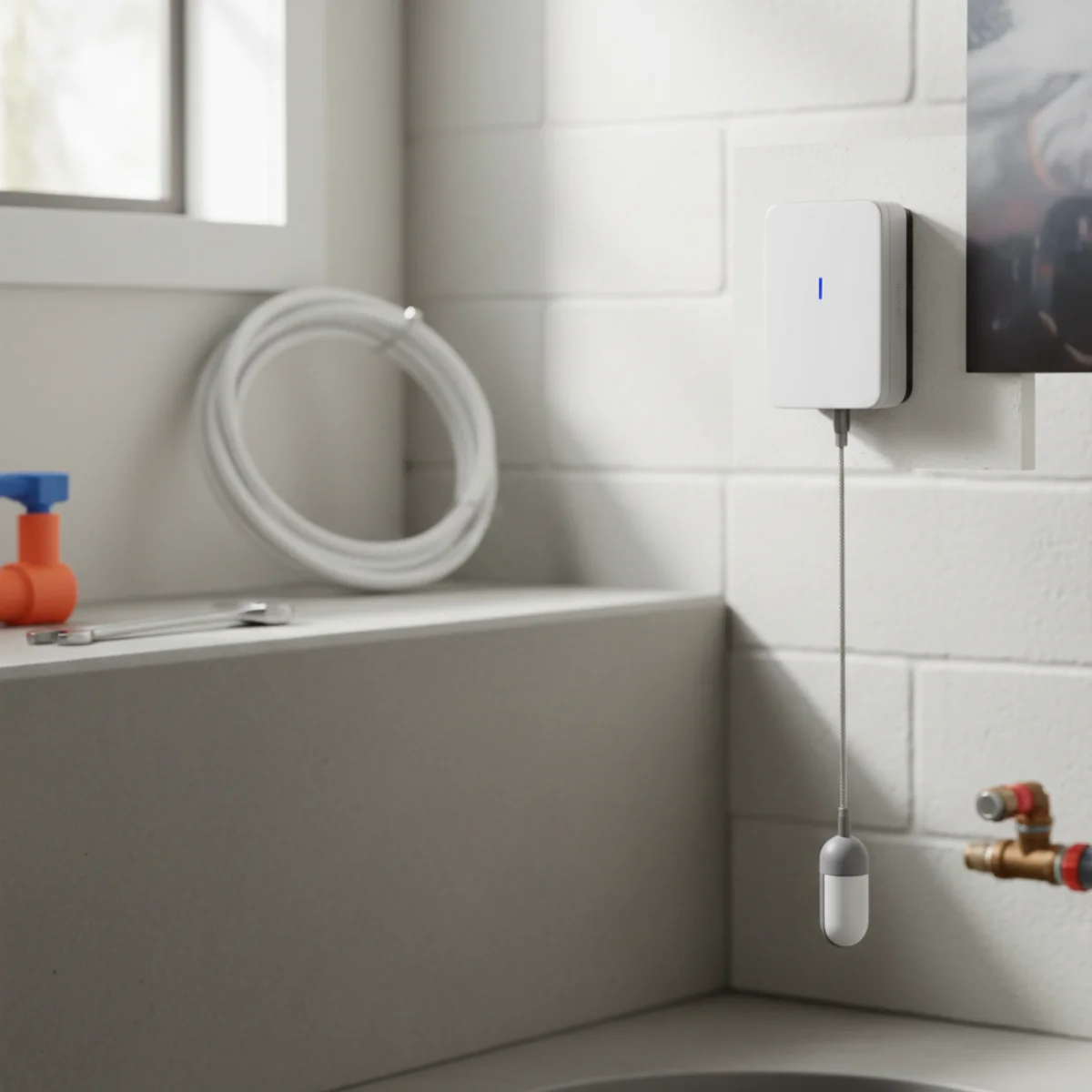
A sump pump can fail quietly. A smart sump pump alarm makes sure you find out early — with a high-water sensor in the pit that sounds an alarm and, on smart models, sends an alert straight to your phone. Littleton Sump Pump Pros adds alarms and monitoring to new and existing systems.
For a few dollars of hardware, it can save thousands in water damage.
- Local Littleton Service
- Professional Installation
- Clear, Upfront Estimates
- Battery Backup Options
- Careful, Clean Workmanship
- Emergency Help Available
How a Smart Alarm Helps
A sensor in the pit detects water rising above a safe level — the signature of a pump that's failed, lost power, or can't keep up. A basic alarm sounds locally; a smart alarm also notifies your phone, so you know even if you're at work or away.
Basic, Smart, and Controller-Based Alarms
Sump alarms come in three broad styles, and they differ mostly in who finds out and how:
- Basic high-water alarm: a battery-powered unit with a sensor in the pit that sounds a loud tone on site
- Smart Wi-Fi alarm: the same sensor, plus a phone alert by app, text, or email when water rises or power fails
- Backup controller alarm: built into a battery backup system; warns when the backup runs or the battery is low
- Monitoring add-ons: some smart units also track pump cycles and send a warning when run time changes
What an Alarm Actually Catches
An alarm is built for one moment: when water in the pit rises higher than it should. That can happen for several reasons. The main pump may have failed or lost power. The float may be stuck. The discharge line may be frozen or blocked, so the pump runs but can't move water. Or inflow may simply be heavier than the pump can handle during a storm.
In every one of those cases, an alarm gives you time. Water usually rises from the alarm point to the floor over minutes to hours, depending on the inflow. That's often enough time to reset a breaker, free a float, start a portable pump, or call for help.
Who Benefits Most
Anyone with a finished basement, a second home, or a house left empty during travel. The earlier you know, the more you can do — call us, get home, or trigger a backup before water reaches the floor.
An alarm is a warning device, not a pump. We recommend pairing it with a reliable primary and a backup for true protection.
Placing the Sensor and the Alarm
The sensor should sit a little above the main pump's normal turn-on level, so it doesn't sound during routine cycles but warns well before water nears the top of the pit. It needs to hang clear of the float, the discharge pipe, and the pit wall.
The alarm unit itself should be mounted where it will be heard or seen, not tucked behind the furnace. Smart units need a reliable Wi-Fi signal at that spot. If the router loses power in an outage, a phone alert can't go out, so a router on a small battery backup is worth considering.
Testing and Living With an Alarm
Test the alarm whenever you test the pump. Pour water into the pit with the main pump unplugged until the water reaches the sensor, and confirm the alarm sounds and the phone alert arrives. Then plug the pump back in.
Replace the alarm's battery on schedule, and keep the app or contact details current. An alarm that sends alerts to an old phone number, or one muted after a false alarm, offers no protection. If false alarms happen, adjust the sensor height rather than disabling it.
Planning Who Responds When You're Away
A phone alert only helps if someone can act on it. If you travel or own a second home, decide in advance who gets the alert and what they should do: a neighbor with a key, a family member nearby, or a service you can call. Add a second contact in the app if it allows one, and leave simple instructions near the pit, such as where the breaker is and how to start a portable pump.
From the field
Why We Set the Sensor Ourselves
The most common alarm problem we see isn't a broken unit; it's a sensor in the wrong place. Hung too low, it chirps every time the pump cycles, and the homeowner eventually unplugs it. Hung too high, it only sounds when the floor is about to get wet.
When we install an alarm, we watch a full pump cycle first, then set the sensor just above the highest point the water should reach. We test it with the pump unplugged before we leave.



Smart Sump Pump Alarm: Best For, Pros & Cons
Best for
Anyone who wants early warning — especially homeowners who travel
Ideal property: Finished basements, second homes, and homes left empty for stretches
Pros
- Alerts you to high water or pump failure before damage spreads
- Smart models send notifications to your phone, even when you're away
- Inexpensive insurance against a silent failure
- Pairs with any primary or backup system
Cons
- An alarm warns — it doesn't pump; pair it with a reliable system
- Smart features depend on Wi-Fi and power (battery models add resilience)
Services and Guides for a Smart Sump Pump Alarm
Smart Sump Pump Alarm Questions Answered
It detects water rising above a safe level in the pit and alerts you — locally with a sound, and on smart models with a notification to your phone. That early warning is the difference between a quick call and a flooded basement.
For the cost, absolutely — especially for finished basements or homes you leave for stretches. It won't pump water, but it buys you time to act before a small failure becomes a big loss.
Yes. We can add a high-water alarm or smart monitoring to most existing systems, no full replacement required.
The alarm itself usually runs on batteries, so it can still sound. A phone alert also needs your internet connection to work. If your router and modem lose power, the alert may not go out, which is why some homeowners put them on a small battery backup.
A little above the main pump's normal turn-on level, clear of the float and discharge pipe. Too low and it sounds during normal cycles; too high and it warns only when the pit is nearly full.
Get Help Choosing a Smart Sump Pump Alarm
Get professional sump pump help from a local Littleton specialist. Clear, upfront estimates and careful, clean workmanship.
Available by appointment. Emergency sump pump help available.